Новини от Велико Търново и регионаNews from Veliko Tarnovo and the region
Новини от Велико Търново и регионаNews from Veliko Tarnovo and the region
Пробна аудиоемисияTrial audio bulletin
27 октомври 2026 · 1:11 · Български · ИИ глас27 October 2026 · 1:11 · Bulgarian · AI voice
Седем новини от деня. Глас: Милена.Seven news stories of the day. Voice: Milena.
Пробна аудиоемисияTrial audio bulletin
27 октомври 2026 · 1:11 · Български · ИИ глас27 October 2026 · 1:11 · Bulgarian · AI voice
Седем новини от деня. Глас: Милена.Seven news stories of the day. Voice: Milena.
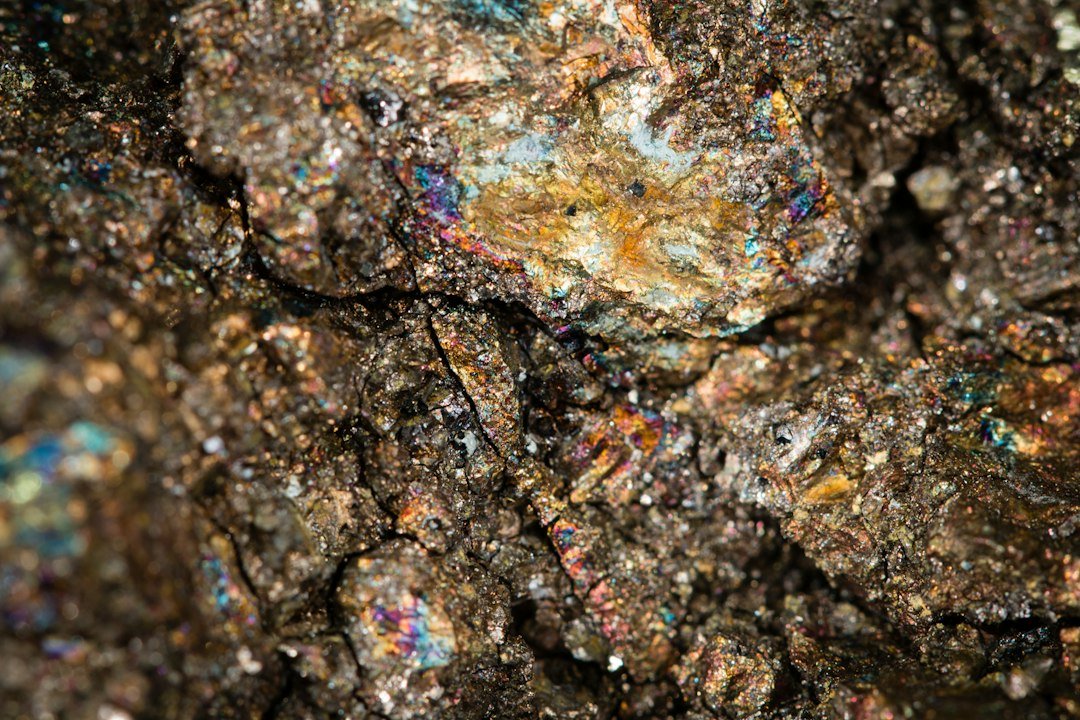
French strategic minerals envoy Benjamin Gallezot expects meaningful progress in supply diversification within five years, but magnet manufacturing remains a bottleneck.
Western countries could substantially reduce their dependence on China for some rare-earth materials within three to five years. That is the assessment of Benjamin Gallezot, France's government envoy for strategic minerals, speaking at a mining conference in Sydney on 28 October 2026 and quoted by Reuters.
Rare-earth supplies are essential to electric vehicles, electronics, energy systems and many industrial technologies. China holds an especially strong position and, according to Reuters, accounts for as much as 90% of production of certain specialised rare-earth magnets.
Gallezot pointed to projects by Belgium's Solvay and France's Carester, as well as initiatives in Australia, the United States, Japan, Brazil and India. In his view, accelerating these investments could create a more diversified supply chain, given the relatively limited size of the global market.
This forecast does not mean independence is guaranteed. Mining deposits, processing raw materials and manufacturing finished magnets require different facilities and expertise. The final stage in particular could remain a bottleneck even if mining and refining capacity expands.
G7 leaders agreed to coordinate efforts to reduce dependence on a single external supplier of critical minerals. Their stated target is to cut reliance on any one supplier outside the G7 and its partner countries to below 60% by 2030, and subsequently towards 50%.
China's restrictions on exports of certain products last year showed how vulnerable carmakers and equipment manufacturers can be. New investment will be judged not only by the number of mines but also by whether it delivers reliable supplies of processed materials.
Source: Reuters, 28 October 2026. The three-to-five-year timeline is an expert forecast, not a binding international commitment.
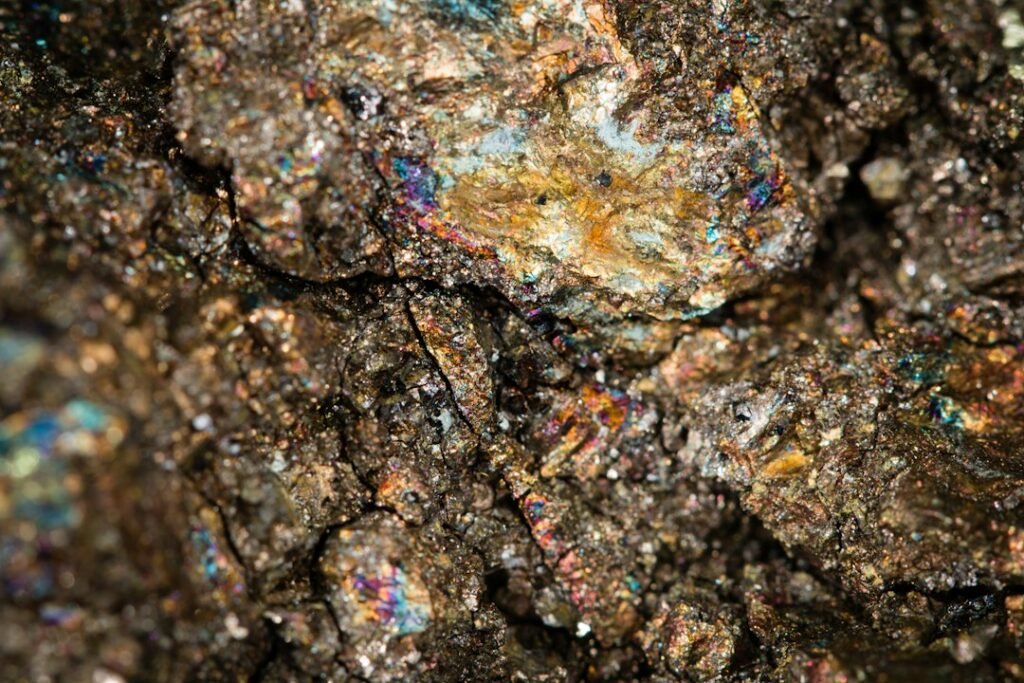
Photo: USGS / Unsplash (Unsplash License). An illustrative image of mineral specimens, not a specific rare-earth material.