Новини от Велико Търново и регионаNews from Veliko Tarnovo and the region
Новини от Велико Търново и регионаNews from Veliko Tarnovo and the region
Пробна аудиоемисияTrial audio bulletin
2 ноември 2026 · 1:15 · Български · ИИ глас2 November 2026 · 1:15 · Bulgarian · AI voice
Седем новини от деня. Глас: Милена.Seven news stories of the day. Voice: Milena.
Пробна аудиоемисияTrial audio bulletin
2 ноември 2026 · 1:15 · Български · ИИ глас2 November 2026 · 1:15 · Bulgarian · AI voice
Седем новини от деня. Глас: Милена.Seven news stories of the day. Voice: Milena.
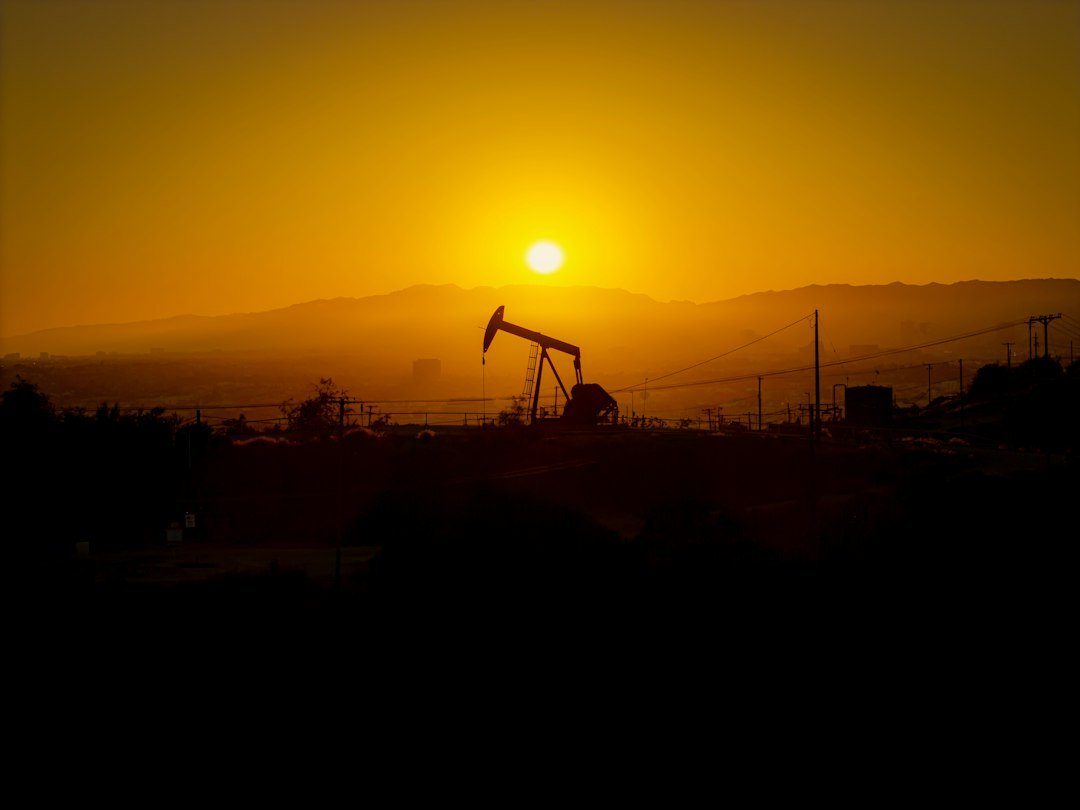
On November 2, ADNOC's chief warned of depleted energy buffers, expensive logistics and rising price risks. The figures are estimates provided by the company.
Nearly one billion barrels of oil have been drawn down from global inventories following disruptions to deliveries through the Strait of Hormuz, Sultan Al Jaber, chief executive of Abu Dhabi's state oil company ADNOC, said on November 2, 2026. He spoke at the ADIPEC energy conference in the United Arab Emirates. The figure was presented as the company's estimate, not an independently verified worldwide inventory tally.
According to Al Jaber, diesel inventories in some markets are at their lowest seasonal levels in 35 years. He also cited a liquefied natural gas supply shortfall estimated at roughly 600 billion cubic feet in certain regions. These figures indicate pressure in parts of the energy market, rather than an equal shortage of fuel around the world.
The ADNOC chief estimated shipping and logistics at about 30% of the cost of a barrel, compared with roughly 5% before the conflict involving Iran began. According to Reuters, benchmark Brent crude was trading at around $110 a barrel on the morning of November 2. Prices change constantly, and that figure is not a fixed price for the entire day.
Al Jaber called for larger strategic reserves, greater stocks of refined fuels, flexible refineries closer to consumers and improved transport infrastructure. These are the company's proposals in response to supply-chain pressures, not international measures that have already been adopted.
Reuters reported that the International Energy Agency recently agreed to release more than 20 million barrels of diesel, alongside remaining volumes from an earlier emergency oil-reserve release. Such measures aim to increase available supply but do not guarantee an immediate fall in fuel prices.
For consumers in Europe, the main concern is the possible effect on transport, production costs and inflation. The impact in Bulgaria cannot be determined from international estimates alone and also depends on domestic market conditions.
Source: Reuters, November 2, 2026 (ADNOC statements at the ADIPEC conference).
Photo: Nils Huenerfuerst / Unsplash. Archive illustration of an oil production facility, not a photograph from the ADIPEC conference.